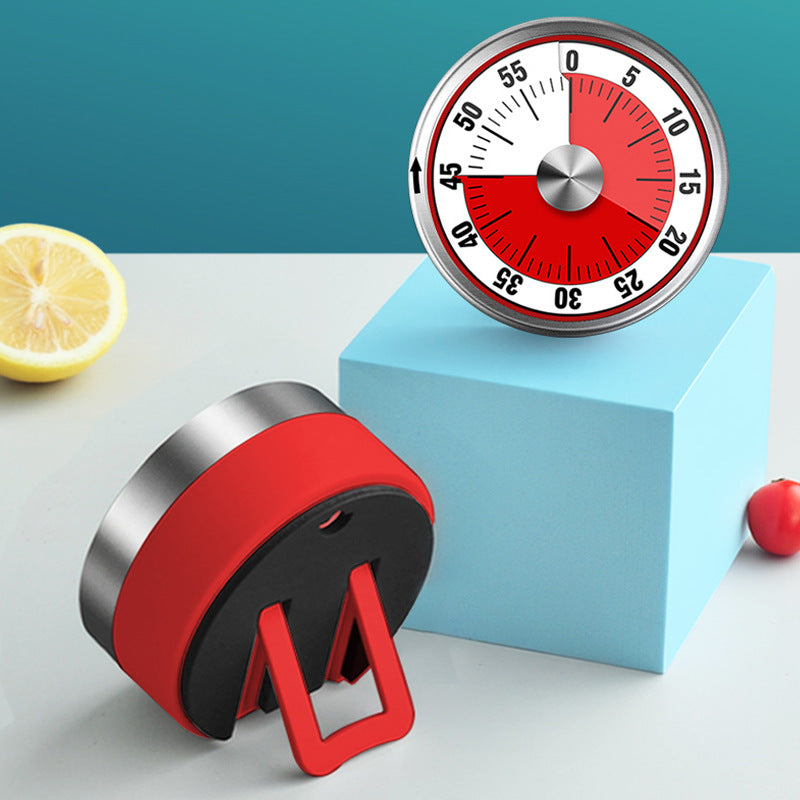
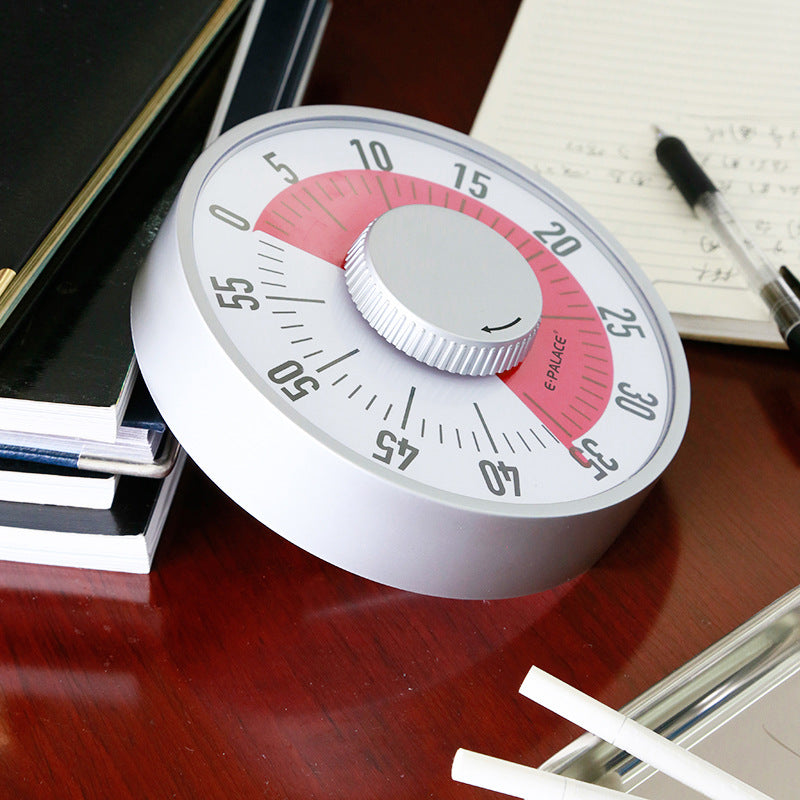
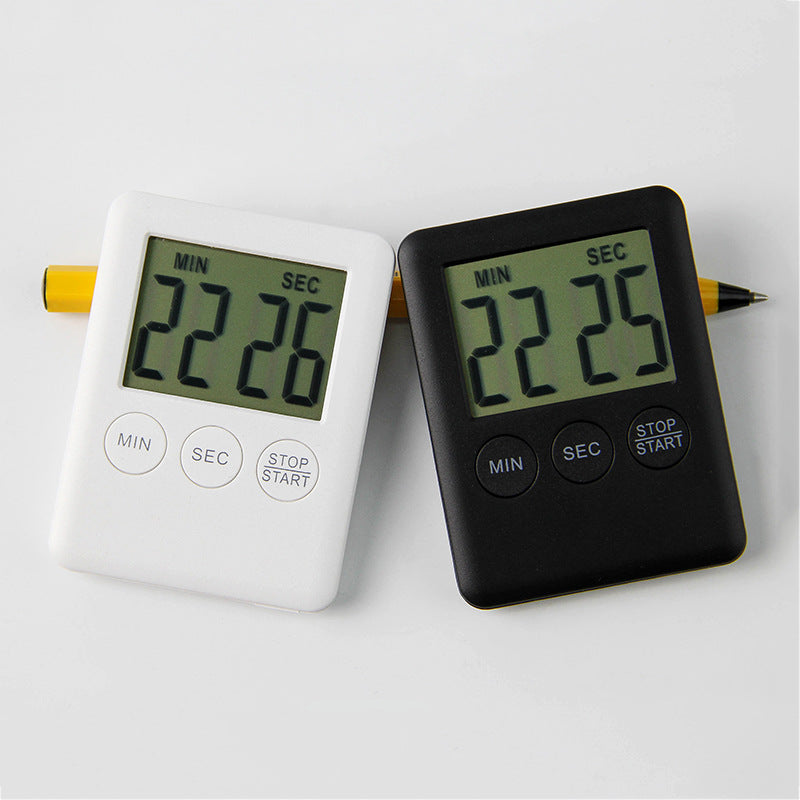
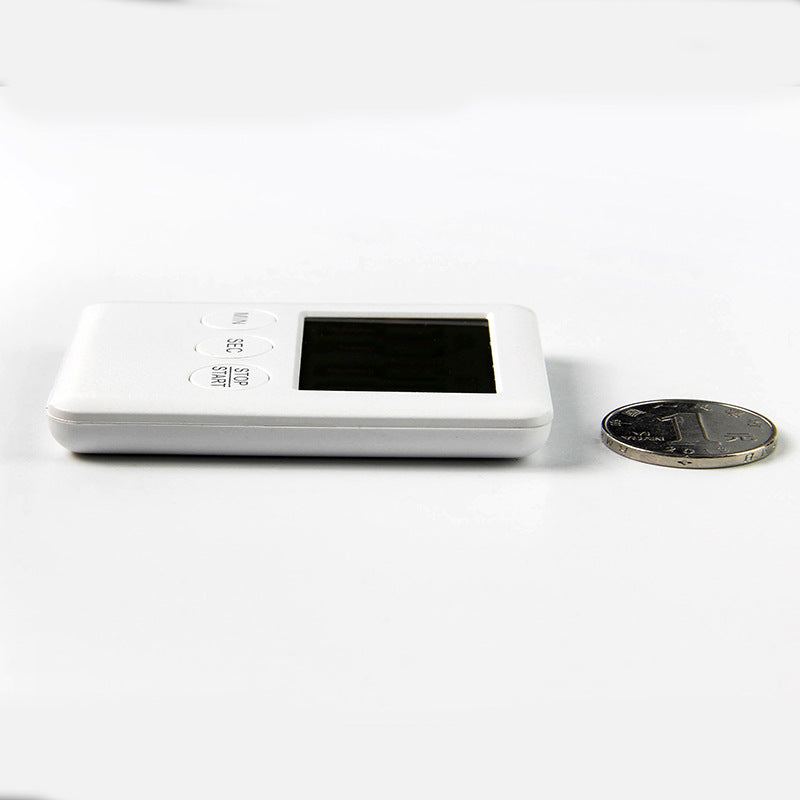
Time is hard to see. A child who cannot picture how long ten minutes lasts will resist stopping an activity, because stopping feels sudden rather than expected. Many autistic children and adults describe this difficulty tracking time, sometimes called time blindness.
Occupational therapists often pair a visual countdown with a predictable routine, so the end of one task and the start of the next are signalled twice. Schedules do similar work at school, where the day is long and the changes are frequent.
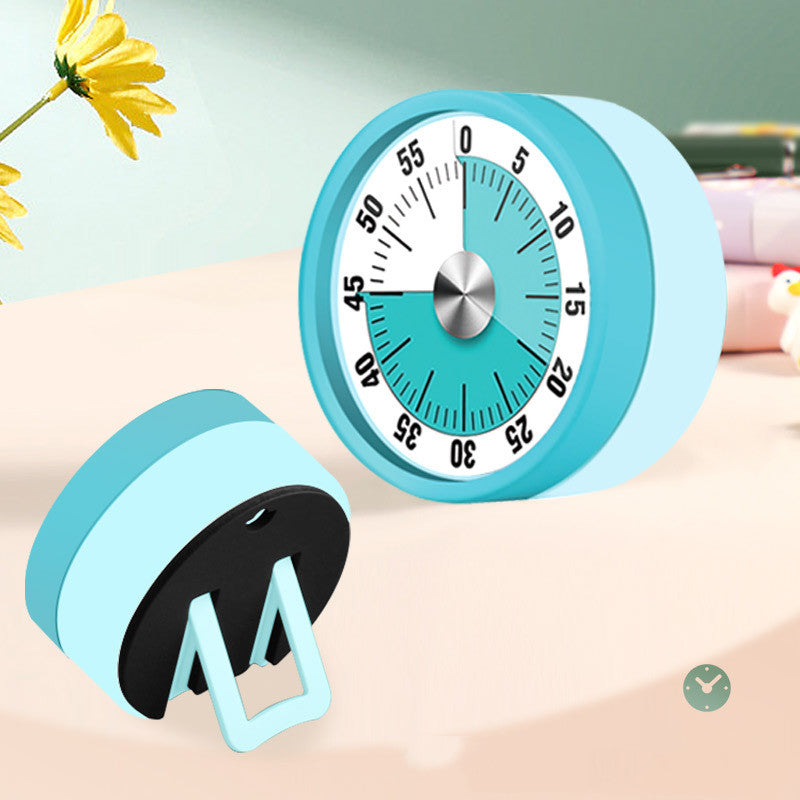
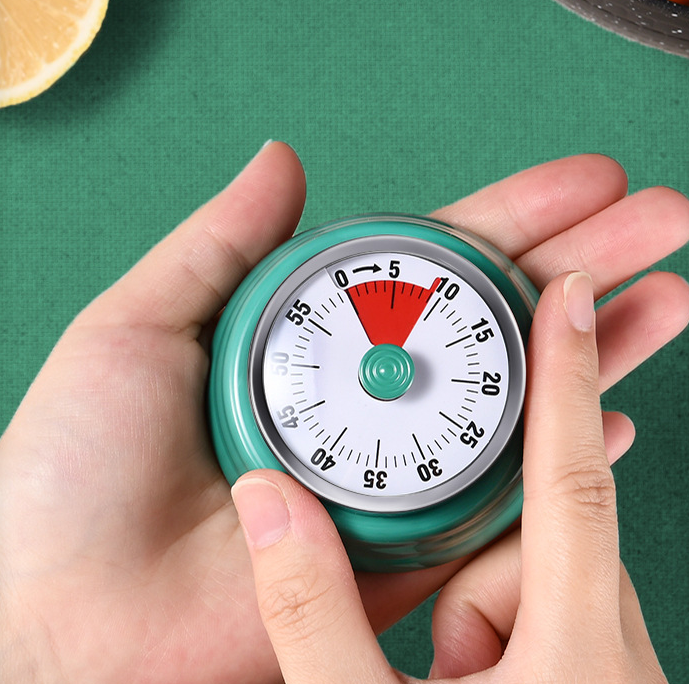
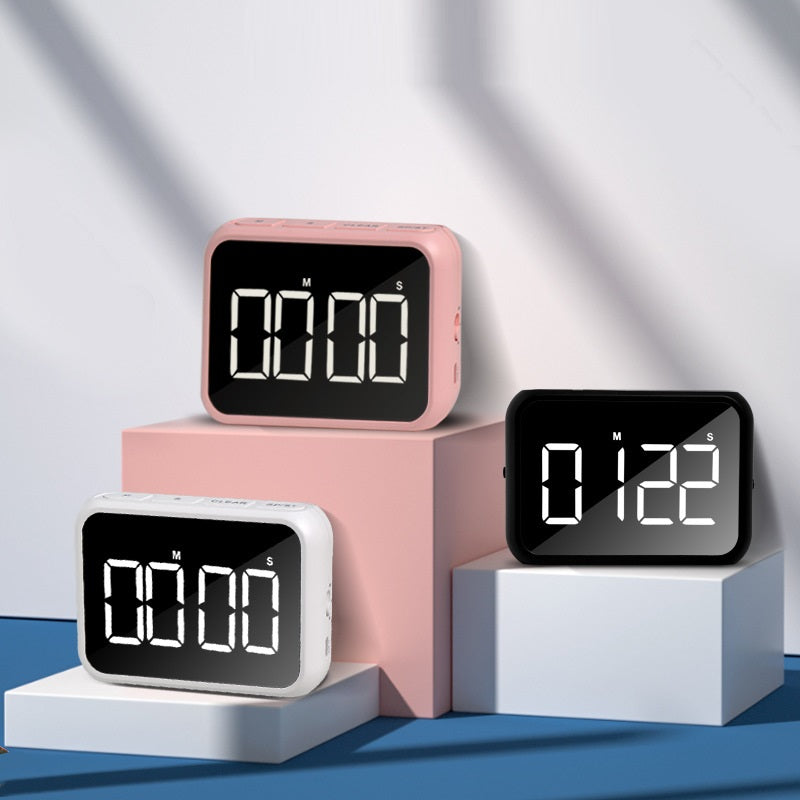
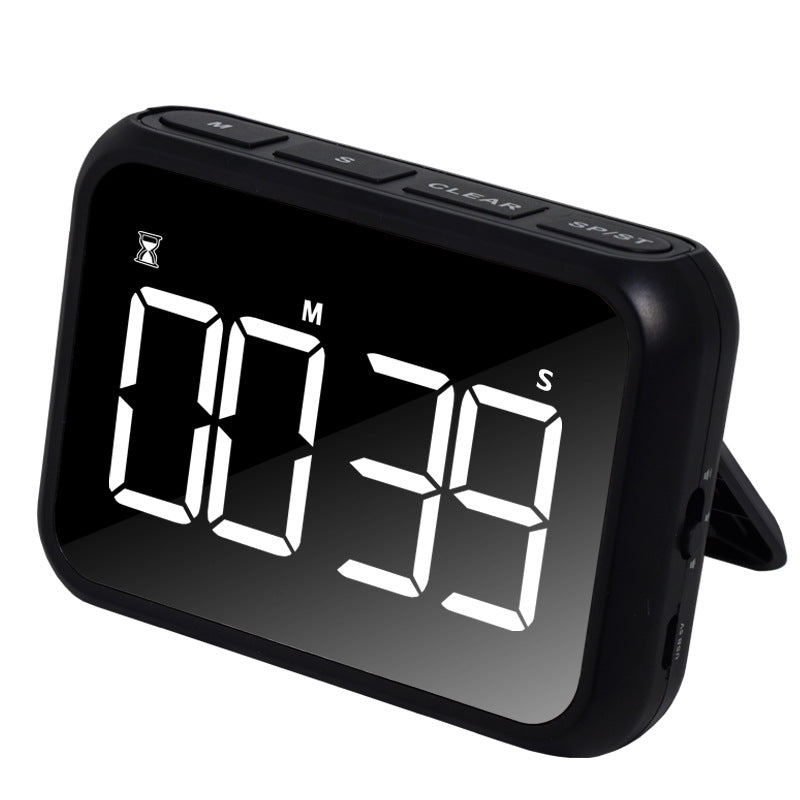
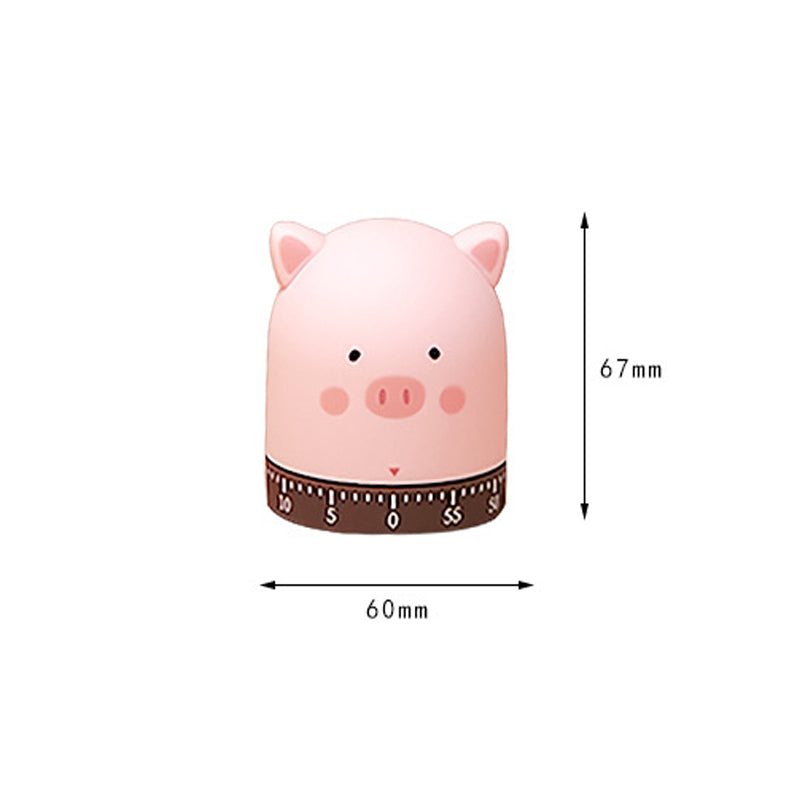
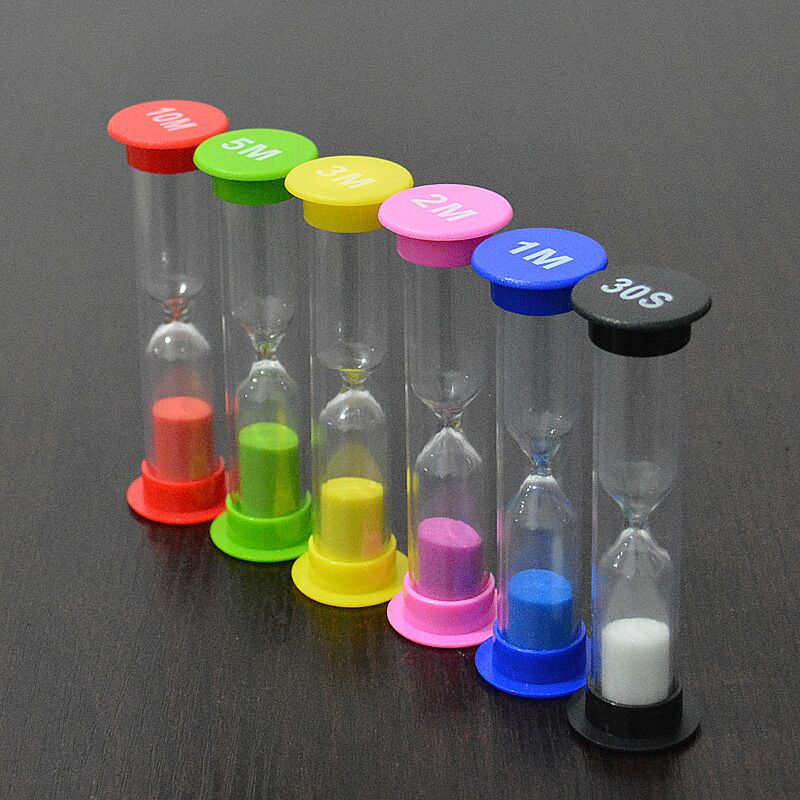
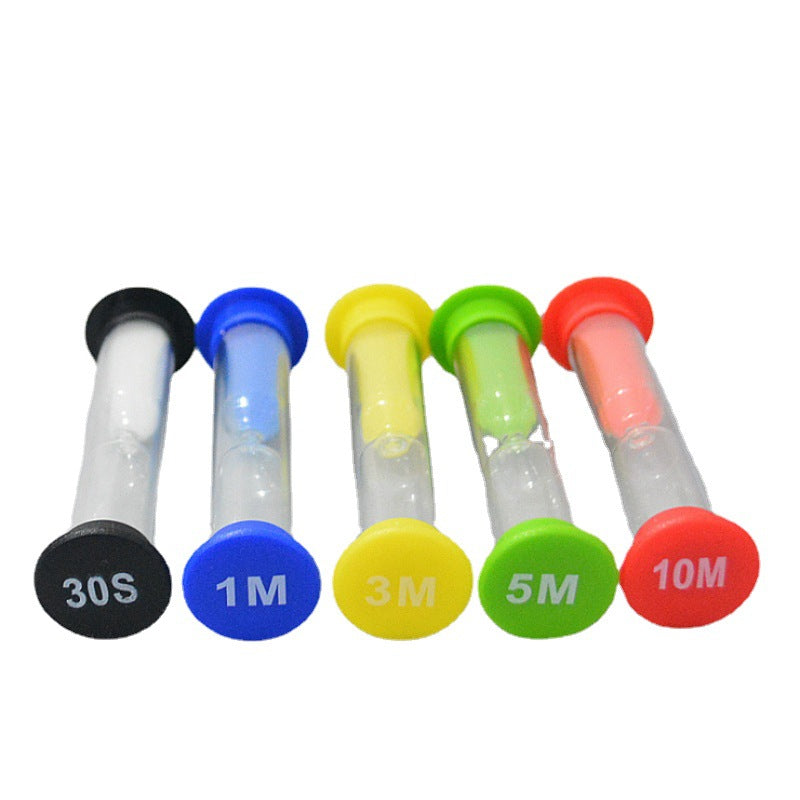
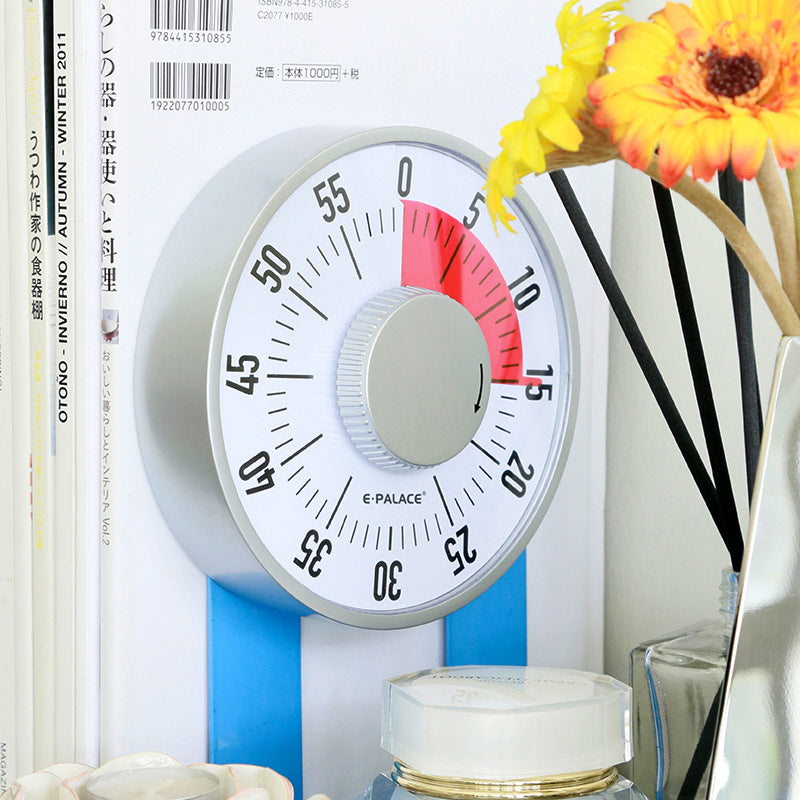
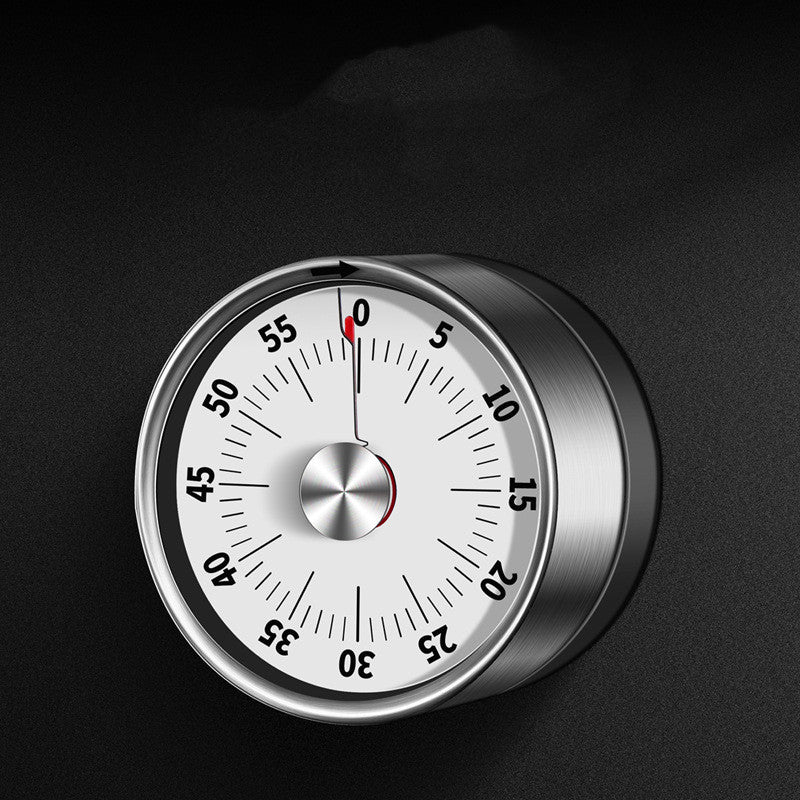
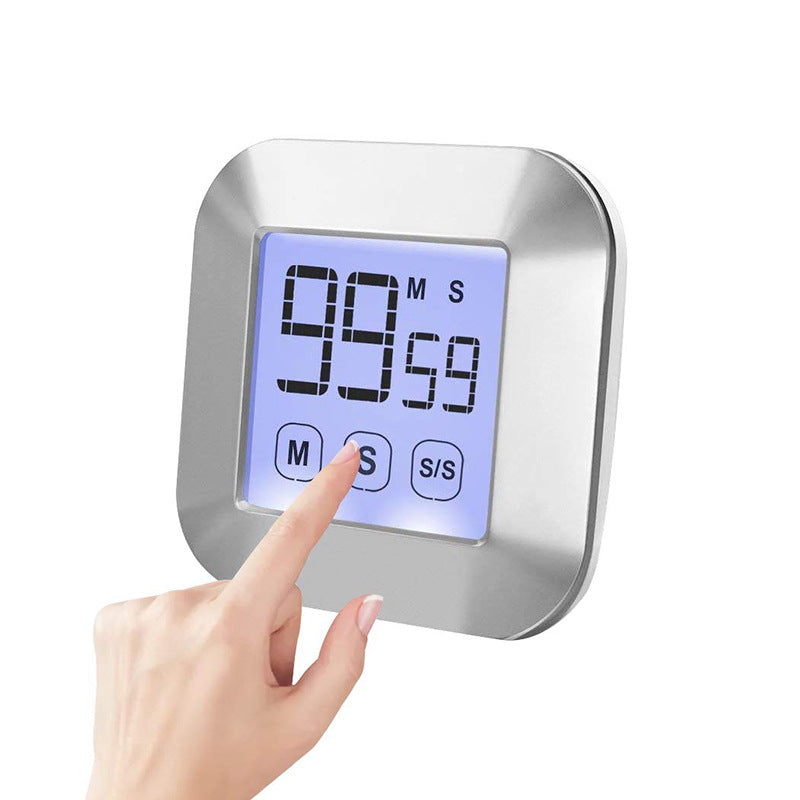
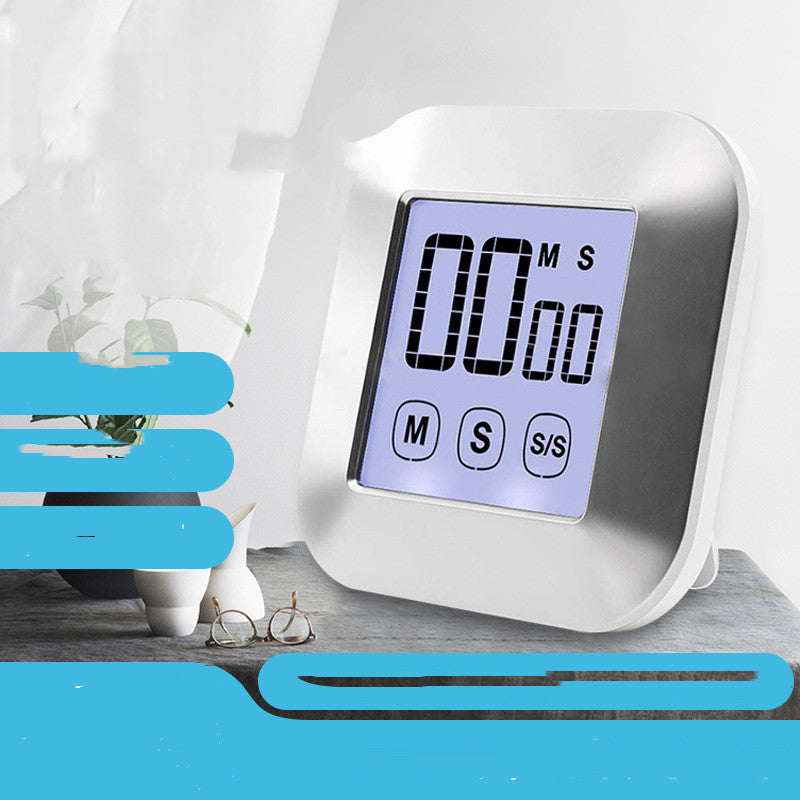
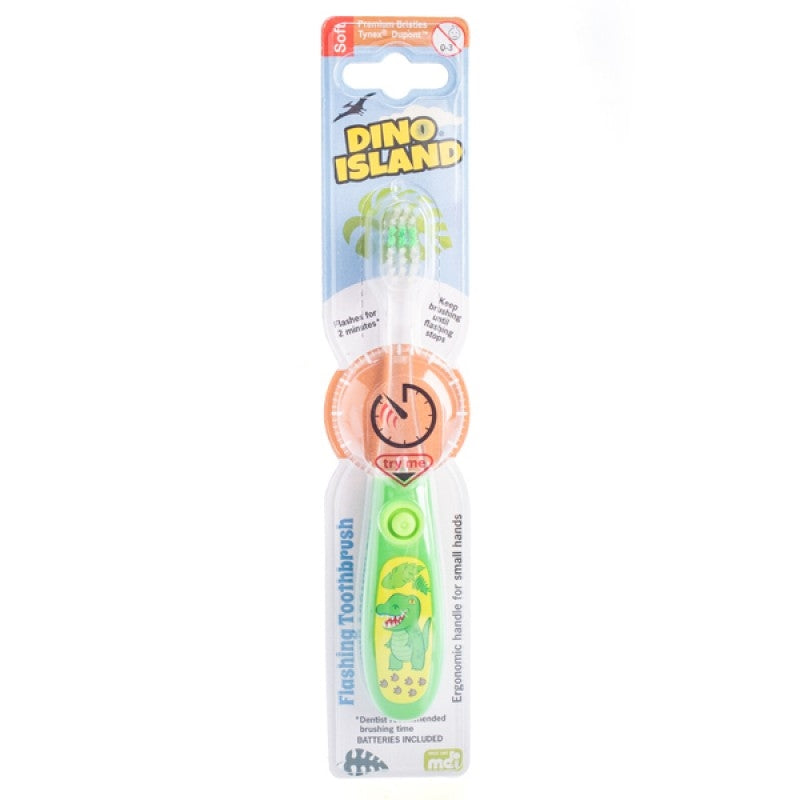
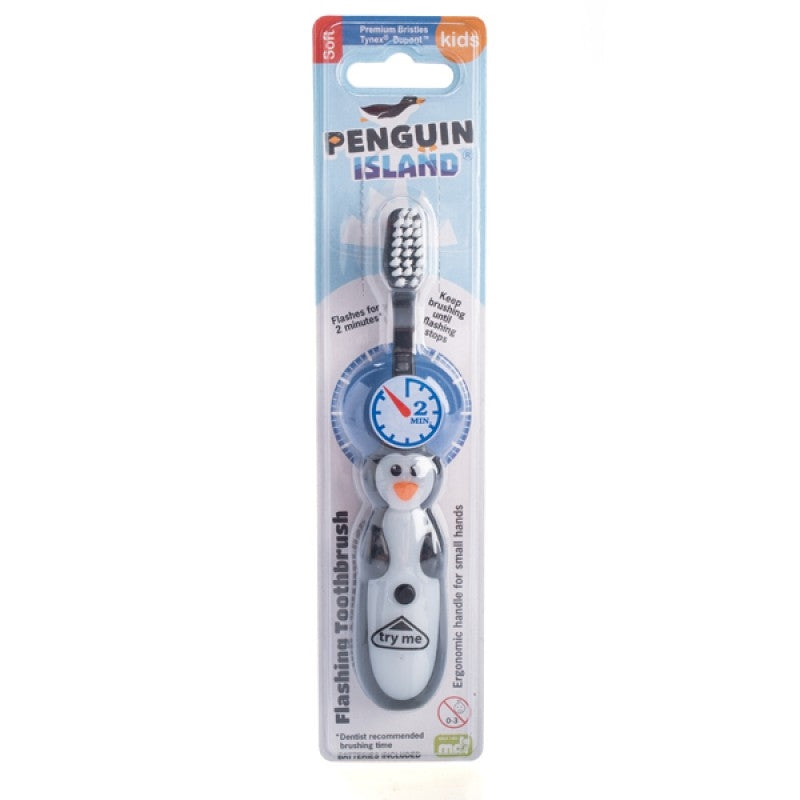
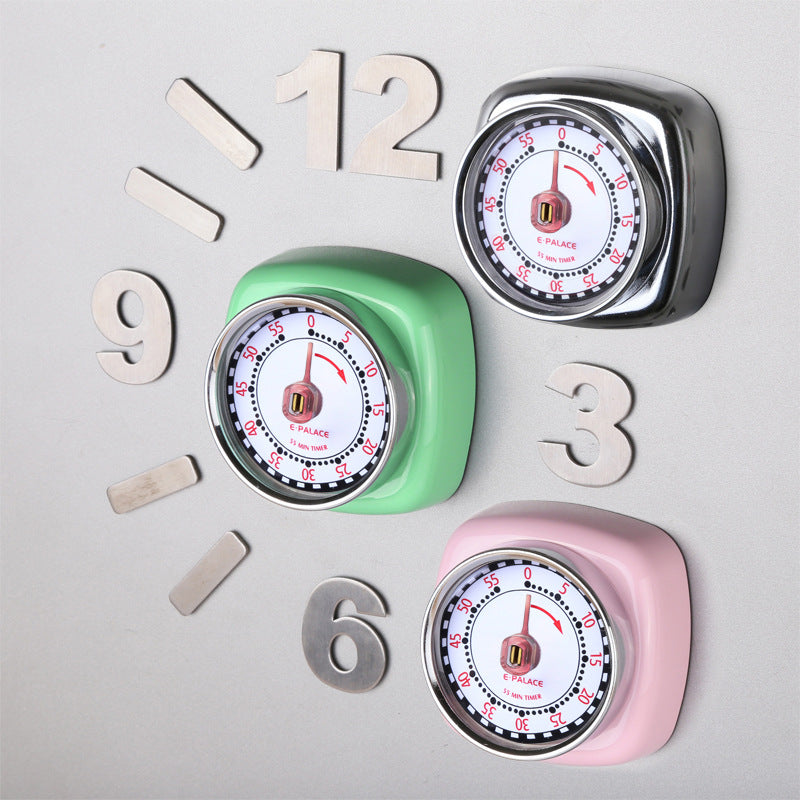
Our range covers magnetic visual timers for the fridge, colour wheels and sand timers that need no batteries, digital countdowns and toothbrush timers. Teachers use the magnetic ones on a whiteboard for group changeovers. One customer keeps a two-minute dinosaur timer by the sink so teeth-brushing has a visible end.
Every order ships free and tracked to any Australian address, with no minimum spend, and you have 7 days to tell us if it isn't right.