How do games help with turn-taking and shared play?
Playing with another person asks a lot at once: wait, watch, respond, and cope with losing. A game makes those demands visible and finite, because the rules say whose turn it is rather than a child having to guess.
Speech pathologists and teachers use structured games to practise joint attention — sharing focus on the same thing at the same time — in a setting with a clear end point. The pressure sits on the board or the ball, not on the conversation.
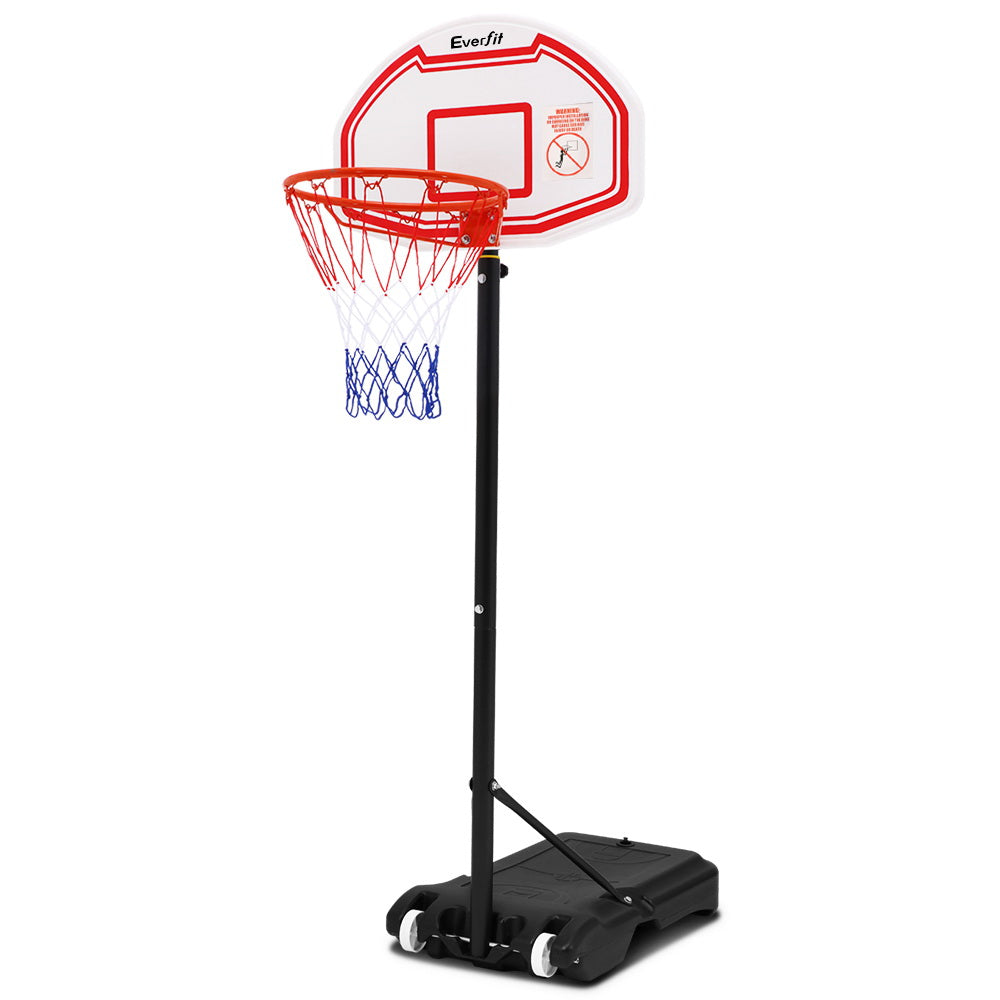
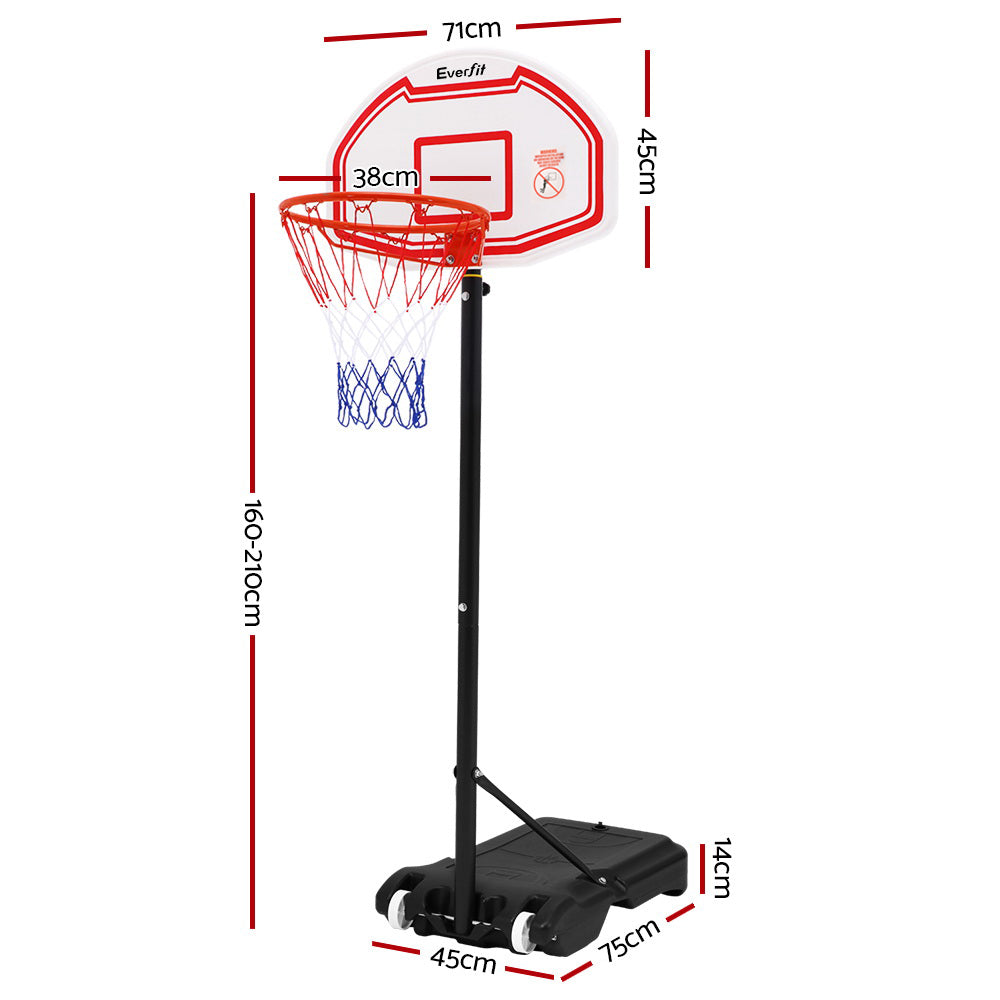
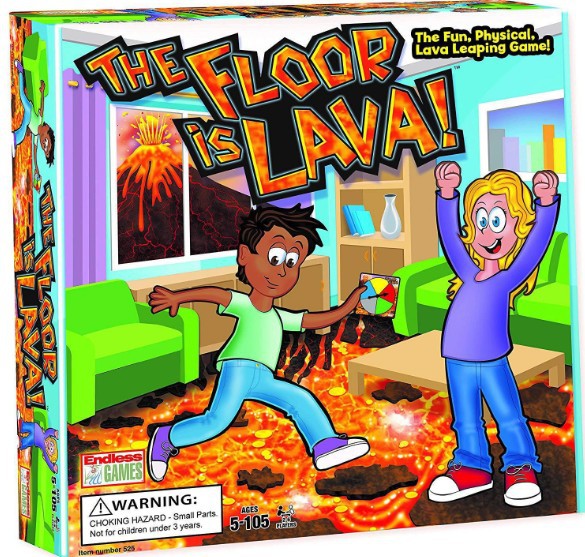
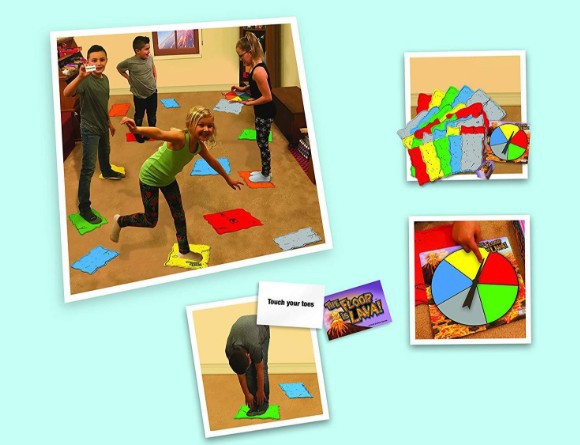
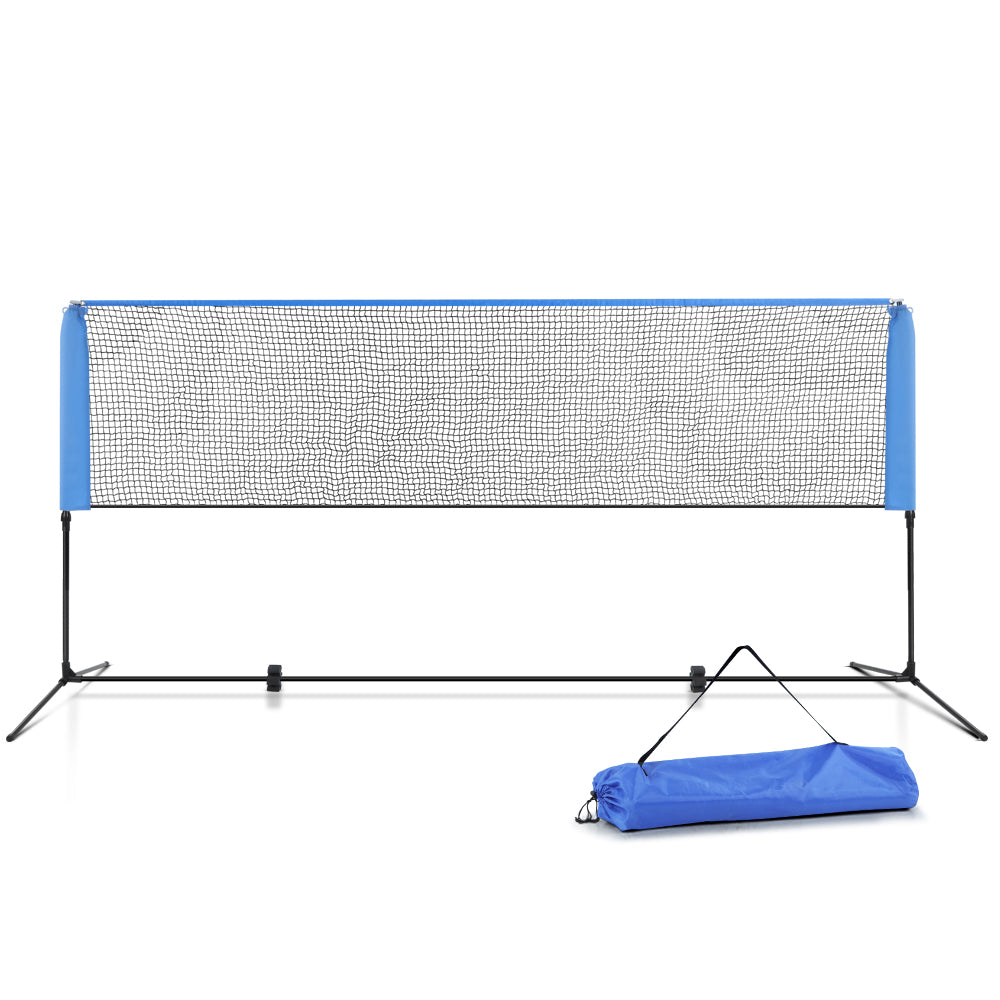
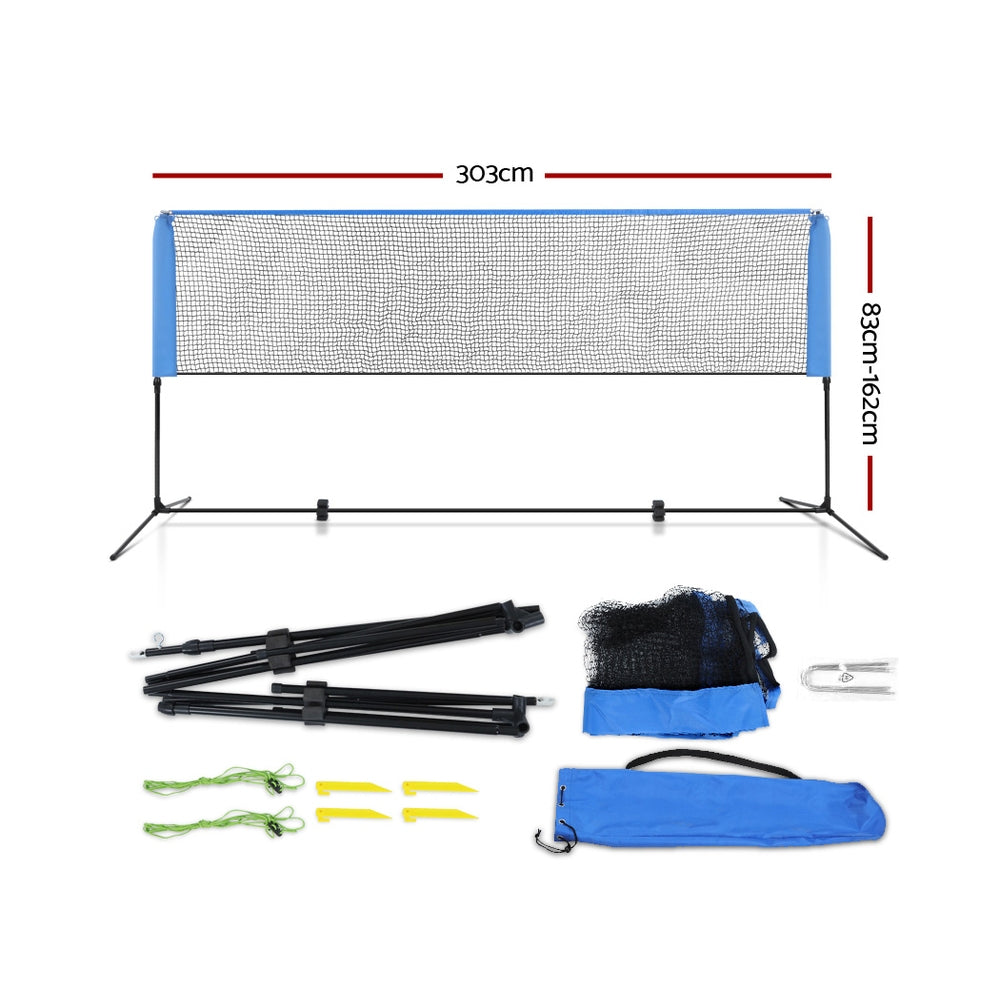
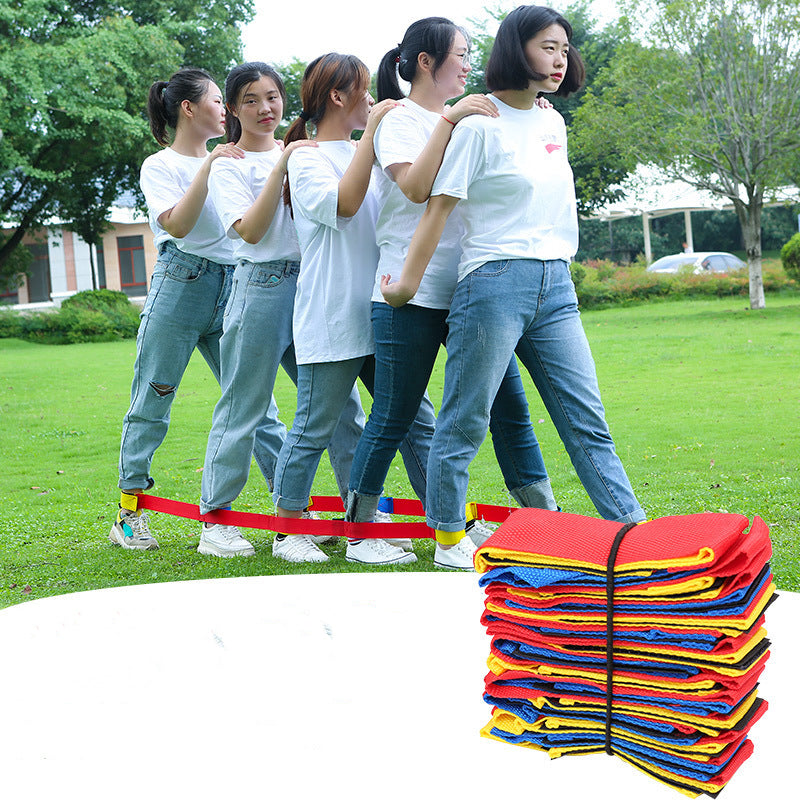
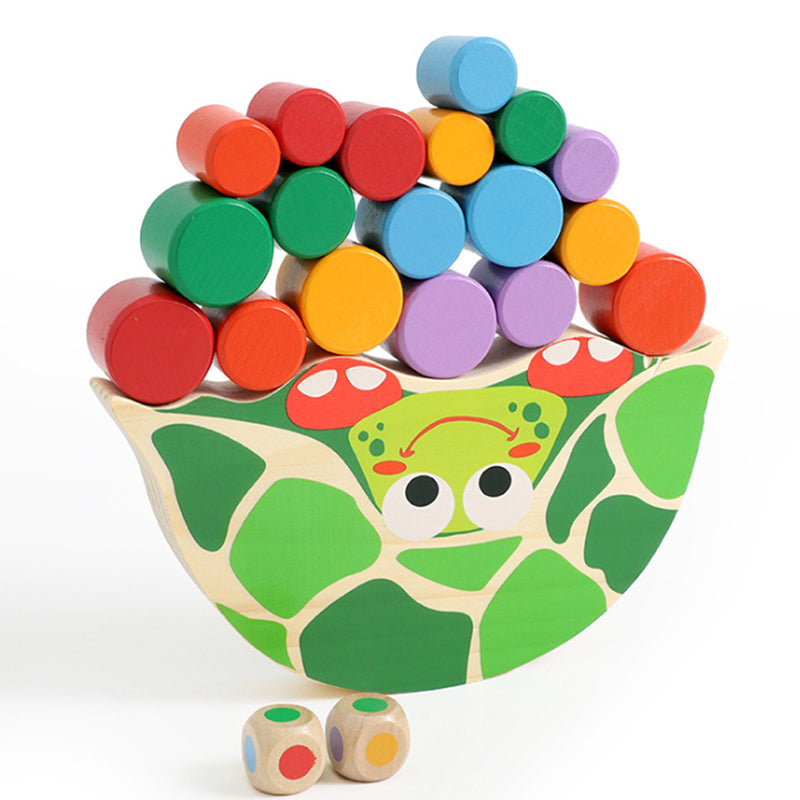
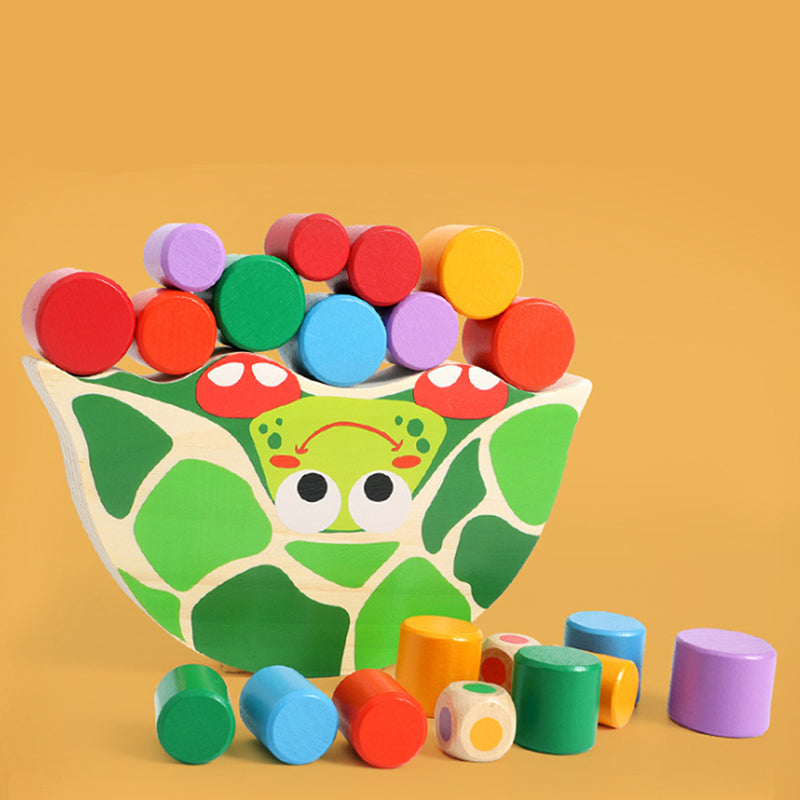
This collection mixes table games like Pictionary and ten-in-one wooden sets with active ones: Floor is Lava, a portable basketball hoop, a badminton net and a co-ordination ankle strap for two. Families often start with games short enough to finish. Support workers pick the outdoor sets for sessions where sitting down was never going to happen.
Free tracked delivery to every Australian address, no minimum purchase required. Each order carries our 7-day satisfaction guarantee.